
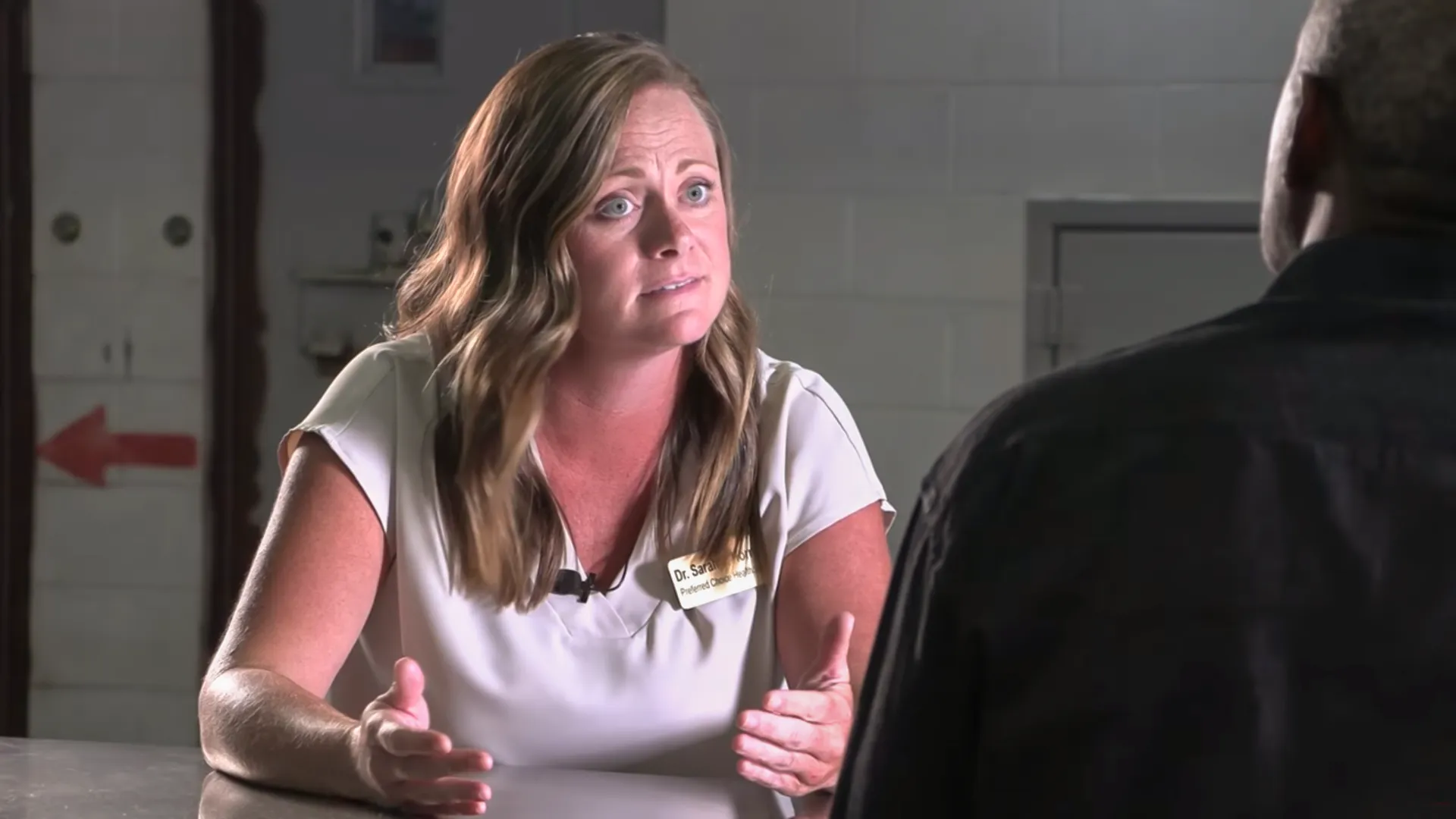
When we made Cycle of Entrapment, our documentary on mental health, addiction and the justice system, we sat down with community leaders who are doing this work every day. They didn’t talk in statistics. They talked about people. The neighbor who kept getting picked up. The family who didn’t know who to call. The program that finally gave somebody a way out. Those conversations stay with you. And I’ve learned that they stay with the people watching too.
That’s the reason we do this work. People who are struggling with addiction, and the families who love them, don’t respond to programs. They respond to people.
Why Stories Work When Information Doesn’t
Most recovery outreach looks about the same. There’s a brochure, a billboard, a phone number and some numbers about overdoses in the county. All of that has its place. But when someone is in the middle of it, they’re not looking for a statistic. They’re looking for a reason to believe things can be different.
A story gives them that. When a person can hear the voice and see the face of somebody who has been exactly where they are, something changes. It stops being a program and starts being a possibility. They start thinking, “If he made it, maybe I can too.”
That’s what video does better than anything else I know. It puts a real person in front of someone who needs to hear from them.
What a Recovery Video Can Do for Your Program
A well-told recovery story isn’t just something nice to post. It’s a tool your program can use for a long time and in a lot of places.
It can show your community what recovery actually looks like. A lot of people still picture addiction one way and recovery another way. Real stories break that down.
It can give your outreach a human face. Whether you’re presenting to a county board, writing a grant report or speaking at a church, a short video says what a slide full of numbers can’t.
It can reach families who don’t know where to start. Sometimes the person who watches the video isn’t the one in addiction. It’s the mom, the dad or the spouse who has been praying for a way in.
And it works everywhere you need it to. The same story can be cut for your website, your social media, your events and your presentations.
How We Protect the People Telling Their Stories
This is the part that matters most to me. The people who share their recovery stories are trusting us with something personal, and we take that seriously.
Consent comes first. Everyone signs a release, and nobody is pushed to share more than they want to share. If someone needs to stop, we stop.
The storyteller has a voice in the final piece. We review what’s being shared so there are no surprises when it goes public.
Not everyone can show their face, and that’s okay. We can tell a story with voice only, silhouettes, first names or other ways that protect someone’s privacy, their job or their family.
And we choose dignity over drama. You won’t see shock footage from us or anyone’s worst day used for attention. Recovery is about hope, and that’s what we want people to see.
What the Process Looks Like
We keep it simple.
First, we sit down with your team. We talk about your goals, who you’re trying to reach and who might be willing to tell their story.
Then we schedule interviews and filming. We work around people’s lives, their meetings and their comfort level.
After that comes editing. Your team reviews the cut and we make sure it says what it needs to say.
Finally, we deliver the finished video in the formats you need, whether that’s your website, social media, a presentation or all three.
What This Looks Like in Our Community
We’re based in Forest City, and a lot of our recovery work has been right here with our neighbors in Rutherford and Polk counties.
With Proof of Polk, we produced long-form and short-form community resource videos that put the faces of local partners in front of the people they serve. The goal was simple. Help people know what help is out there, and make it a little easier to reach for it.
With Cycle of Entrapment, we brought together the voices of people working where mental health, addiction and the justice system meet. Matt LaBreche, PharmD, said it better than I could: “This is not just a media production company. It is a community-focused change engine.”
We’ve also covered grassroots recovery and wellness work on social media, helping newer organizations get the word out while they’re still building.
Every project we take on comes back to one question. Where does God’s grace show up in the ordinary lives of my neighbors? In recovery work, it shows up a lot. We just want to help people see it.
Every Program Has a Story Worth Telling
If you run a recovery program, a coalition, a treatment center or a ministry, you already have the stories. You see them every week. We’d love to help you share them in a way that honors the people behind them and reaches the people who need them.
See our recovery messaging work or start a conversation with us.